Sri Lanka
Asia
🏆 Ranked #23 among top destinations
“Pearl of the Indian Ocean”
Overview
The sector has seen significant growth, with over 1.16 million arrivals in the first half of 2025 alone—a 15.6% increase compared to 2024. India remains the primary source market, followed by Russia and the UK. Key attractions like the Sigiriya Rock Fortress, the Temple of the Sacred Tooth Relic, and wildlife safaris in Yala National Park continue to be major draws. With expanded visa-free entry for many nations and a focus on sustainable, high-value experiences, Sri Lanka is firmly back on the global travel map as the "Pearl of the Indian Ocean".
Gallery
Beaches
The island's coastlines offer a variety of experiences, from quiet relaxation to vibrant surf scenes.
- South Coast (Mirissa, Unawatuna, Bentota, Hikkaduwa): Popular during the December to March peak season, these beaches offer golden sands, water sports, beach bars, and great swimming conditions.
- East Coast (Trincomalee, Arugam Bay): Ideal for visiting between April and September when the weather is dry and sunny. Arugam Bay is a major hub for surfing.
Best Food & Cuisine
Sri Lankan cuisine is flavourful, using a rich blend of spices and coconut milk.
Rice and Curry:
The national staple, consisting of a large plate of rice accompanied by several small, flavourful dishes (dhal, vegetables, meat, fish curry, sambol).
Kottu Roti:
A popular street food item made from shredded flatbread, stir-fried with vegetables, eggs, and various meats or spices. You'll often hear the distinctive "clanging" sound of it being prepared on a hot plate.
Hoppers (Appa):
A bowl-shaped pancake made from fermented rice flour and coconut milk, often served with an egg in the middle for breakfast. String hoppers, made into noodle patties, are another variation.
Fish Ambul Thiyal:
A dry, sour fish curry prepared with a special blend of spices and tuna.
Ministry of Crab:
A famous high-end restaurant in Colombo known for its exquisite crab dishes, particularly the pepper crab.
Local Treats:
Be sure to try "wade" (deep-fried lentil cakes) and traditional sweets like "Asmi".
History & Architecture
Ancient architecture was primarily religious, reflecting the introduction of Buddhism in the 3rd century BCE.

Anuradhapura
City in Sri Lanka
Anuradhapura & Polonnaruwa: These early capitals are home to massive Stupas (Dagobas), some of the largest brick structures in the pre-modern world. Notable examples include the Jetavanaramaya, once the third tallest structure in the ancient world.

Sigiriya
Sigiriya, Sri Lanka
Built by King Kashyapa in the 5th century, this "Sky Palace" is a masterpiece of urban planning and hydro-engineering, featuring sophisticated water gardens and elaborate frescoes.

Vatadage
Historical lanndmark
A unique circular relic house featuring stone pillars and a three-tiered conical roof, with the finest examples found in Polonnaruwa.

Dambulla Cave Temple
Buddhist temple, Kandy - Jaffna Hwy
This well-preserved complex of five cave temples houses over 150 Buddha statues and intricate, colourful murals on the cave walls. It is a significant religious site and a highlight for culture enthusiasts.
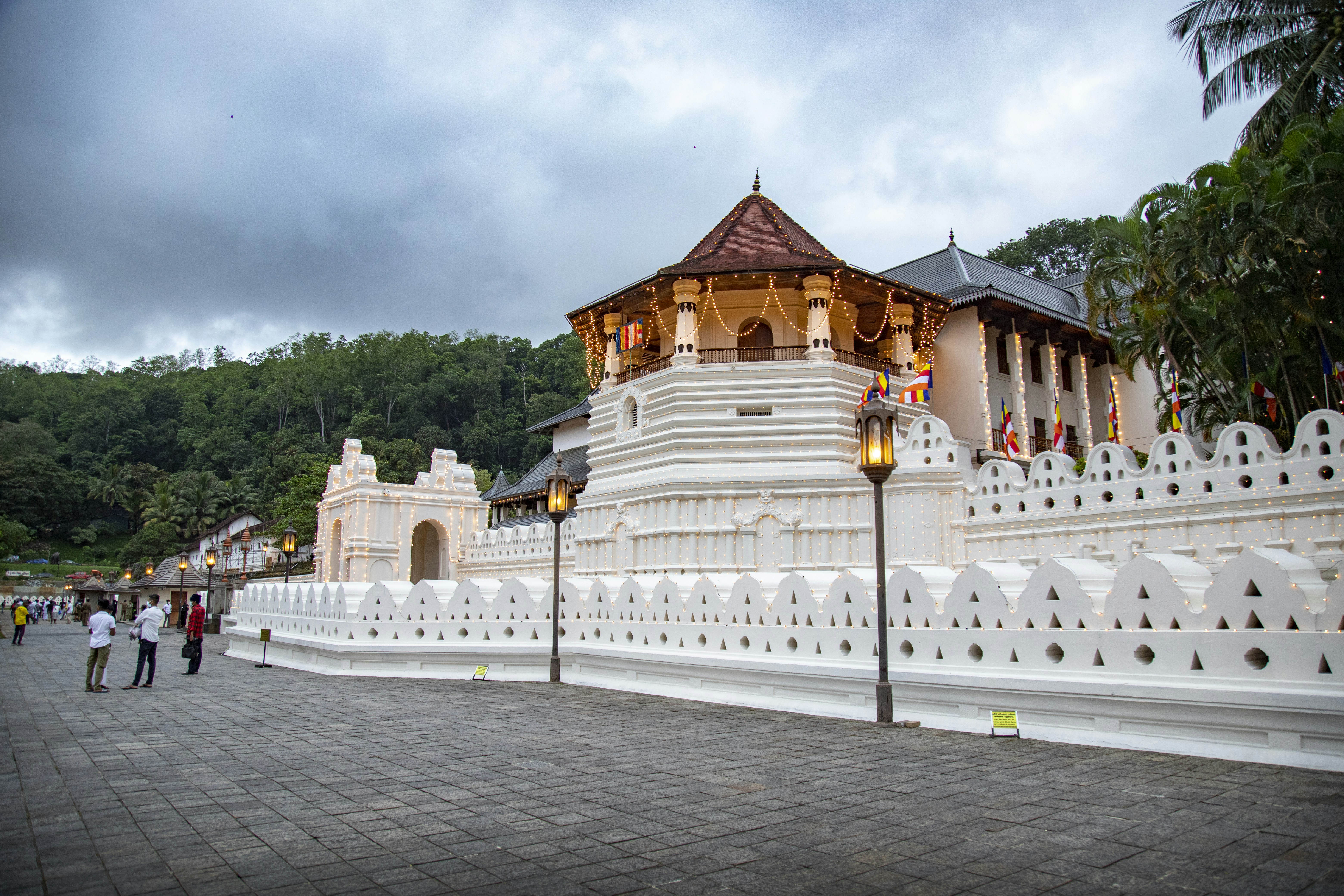
Sri Dalada Maligawa
Buddhist temple, Kandy, Sri Lanka
Located in the cultural city of Kandy, this iconic temple houses the most important Buddhist relic in the country—a tooth of the Buddha. It is a vital pilgrimage site and a beautiful example of Sri Lankan architecture.
Best Time to Visit Sri Lanka
This period is ideal for visiting the south and west coasts, as well as the Hill Country.
East Coast Season (May to September)
During this time, the southwest monsoon affects the south and west, while the east coast remains dry and sunny.
Hill Country
The central highlands provide a cool escape from the coastal heat, with misty mountains, sprawling tea plantations, and scenic landscapes.
- Ella: A small town famous for its relaxed vibe and hiking opportunities. Key sights include the scenic Nine Arch Bridge and the popular hike to Little Adam's Peak .
- Nuwara Eliya: Often called "Little England," this area is known for its cool climate, colonial-era bungalows, and world-renowned tea production. Visitors can tour tea factories and enjoy the serene beauty of places like Lake Gregory and Victoria Park
- Scenic Train Ride: The train journey from Kandy to Ella is renowned as one of the most picturesque in the world, winding through tea estates, waterfalls, and mist-covered mountains.
Nightlife & Entertainment
Nightlife in Sri Lanka is predominantly centered in the capital city of Colombo, though beach towns like Hikkaduwa, Mirissa, and Unawatuna offer a more laid-back, beachside bar and party scene.
- Colombo: The capital offers a variety of options, including upscale rooftop bars, nightclubs, and casinos.
- Beach Towns: Unawatuna & Hikkaduwa - Lined with beach bars and clubs that host lively parties whereas Mirissa - Known for its relaxed backpacker vibe with various beachside bars.
Location Map
Wildlife & Nature
Sri Lanka is a fantastic destination for nature lovers, offering a chance to spot diverse flora and fauna.
- Yala National Park: The most famous national park, offering exciting safaris and one of the highest densities of leopards in the world. It is also home to elephants, crocodiles, and over 200 bird species.
- Udawalawe National Park: Excellent for spotting large herds of elephants, particularly gathering around water holes during the dry season.
- Sinharaja Forest Reserve: A UNESCO World Heritage Site and a dense, untouched rainforest teeming with rare birds and animals.
- Whale Watching: Mirissa and Trincomalee on the south and east coasts are prime locations for watching majestic blue whales and dolphins during the appropriate seasons.
FAQs
Popular Countries

Popular Places in Sri Lanka
Discover the Best Places
Explore destinations that match your travel dreams
Jungle Safari
Explore dense forests, exotic wildlife, and the thrill of nature adventures.
Backwaters & Lakes
Enjoy tranquil waterscapes, houseboat stays, and peaceful lakeside beauty.
Historic Landmarks
Step back in time and explore ancient monuments, forts, and architectural marvels.
Dune Landscapes
Witness vast desert dunes, golden sands, and unforgettable desert adventures.