Hauz Khas Village
New Delhi • Union Territory (UT) • India
🏆 Ranked #243 among top destinations
“Where History Meets Modern Delhi”
Overview
Hauz Khas Village is one of Delhi’s most distinctive neighborhoods, where history, culture, and contemporary lifestyle blend seamlessly. Located in South Delhi, this vibrant area derives its name from the historic Hauz Khas, a medieval water reservoir built in the...
Hauz Khas Village is one of Delhi’s most distinctive neighborhoods, where history, culture, and contemporary lifestyle blend seamlessly. Located in South Delhi, this vibrant area derives its name from the historic Hauz Khas, a medieval water reservoir built in the 13th century during the reign of Sultan Alauddin Khilji. Originally designed to supply water to the nearby Siri Fort, the reservoir remains a striking reminder of Delhi’s rich architectural and historical legacy.
At the heart of Hauz Khas Village lies the Hauz Khas Complex, which includes the grand Firoz Shah Tomb, ancient madrasa ruins, and several pavilions overlooking the serene lake. These monuments, surrounded by lush greenery, offer visitors a peaceful escape from the city’s fast-paced life. The contrast between centuries-old structures and modern surroundings makes the area particularly captivating for history enthusiasts and photographers.
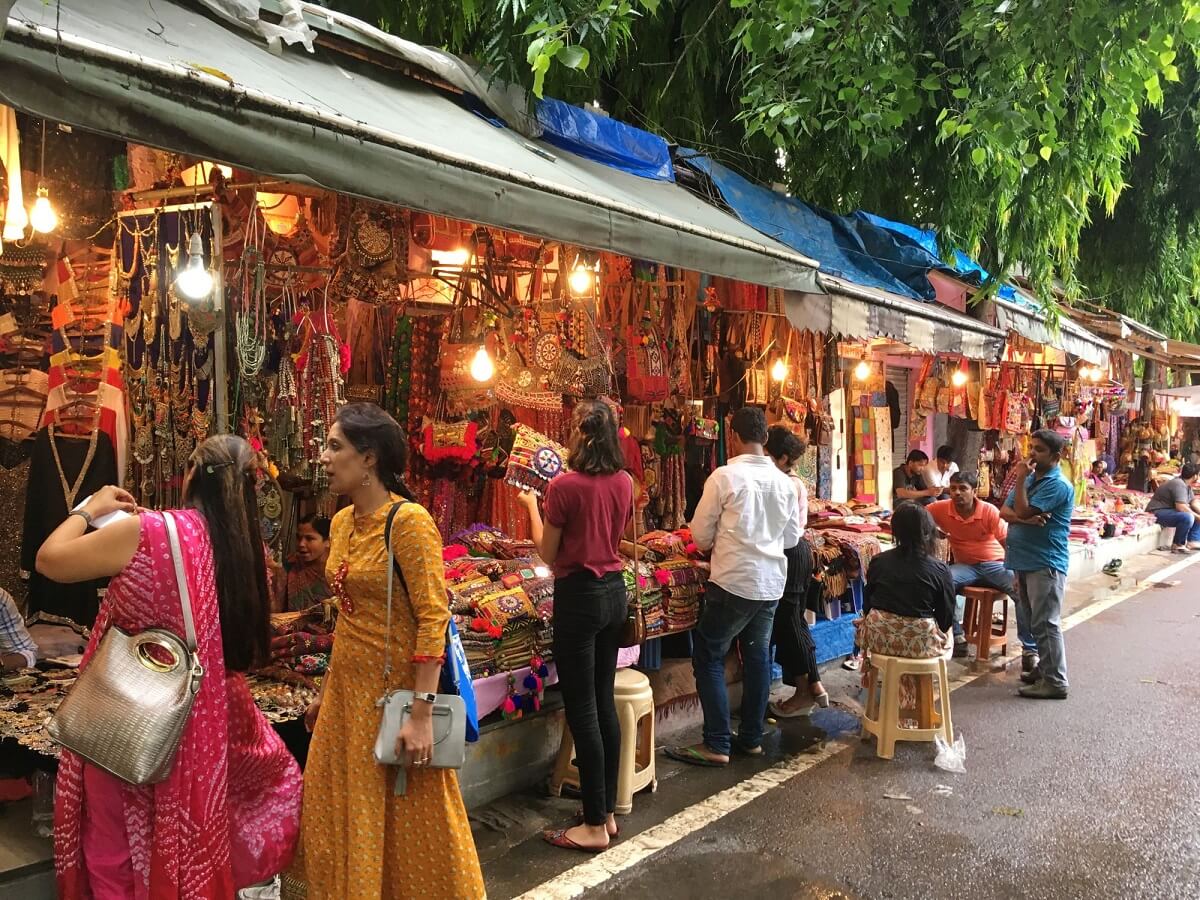
Beyond its historical significance, Hauz Khas Village has evolved into a trendy cultural and social hub. Its narrow lanes are lined with art galleries, boutique stores, designer studios, cafés, and restaurants that attract both locals and tourists. From rooftop cafés offering scenic lake views to lively pubs and cultural spaces, the village is known for its dynamic nightlife and creative energy.
Hauz Khas Village is also popular among artists, students, and young professionals due to its bohemian vibe and proximity to educational institutions. The area regularly hosts art exhibitions, live music events, and cultural gatherings, making it a center for creative expression in Delhi.
Well-connected by road and metro, Hauz Khas Village is easy to access and ideal for a leisurely day out. Whether you are interested in history, architecture, art, food, or nightlife, Hauz Khas Village offers a unique experience that reflects both the timeless charm and modern spirit of Delhi.
At the heart of Hauz Khas Village lies the Hauz Khas Complex, which includes the grand Firoz Shah Tomb, ancient madrasa ruins, and several pavilions overlooking the serene lake. These monuments, surrounded by lush greenery, offer visitors a peaceful escape from the city’s fast-paced life. The contrast between centuries-old structures and modern surroundings makes the area particularly captivating for history enthusiasts and photographers.
Beyond its historical significance, Hauz Khas Village has evolved into a trendy cultural and social hub. Its narrow lanes are lined with art galleries, boutique stores, designer studios, cafés, and restaurants that attract both locals and tourists. From rooftop cafés offering scenic lake views to lively pubs and cultural spaces, the village is known for its dynamic nightlife and creative energy.
Hauz Khas Village is also popular among artists, students, and young professionals due to its bohemian vibe and proximity to educational institutions. The area regularly hosts art exhibitions, live music events, and cultural gatherings, making it a center for creative expression in Delhi.
Well-connected by road and metro, Hauz Khas Village is easy to access and ideal for a leisurely day out. Whether you are interested in history, architecture, art, food, or nightlife, Hauz Khas Village offers a unique experience that reflects both the timeless charm and modern spirit of Delhi.
Gallery
Historical Roots: The "Royal Tank"
The name "Hauz Khas" is derived from the Persian words Hauz (water tank) and Khas (royal/special).
- 13th Century Origins: The centerpiece is a massive water reservoir built by Alauddin Khalji (r. 1296–1316) to supply water to the nearby Siri Fort. Originally known as Hauz-i-Alai, it spanned approximately 123 acres.
- 14th Century Revival: By the mid-14th century, the tank had silted up. Firoz Shah Tughlaq (r. 1351–1388) desilted the reservoir and constructed a significant complex on its southern and eastern banks, including a madrasa, a mosque, and his own tomb.
Architectural Landmarks
The Hauz Khas Complex is a protected site featuring remarkable Indo-Islamic architecture:
- Madrasa-e-Firoz Shahi: Established in 1352, it was once a world-renowned center for Islamic learning. The unique L-shaped structure overlooks the lake and features lecture halls and small student cells.
- Firoz Shah's Tomb: Located at the pivot of the L-shaped madrasa, this square, domed structure is the final resting place of the Sultan. Its interior features gold medallions and Quranic inscriptions.
- The Mosque: A small, open-to-sky mosque stands at the northern end of the madrasa, with a prayer hall supported by double pillars.
- Tughlaq Pavilions: Six domed pavilions in the complex garden likely served as graves for scholars and teachers.
Location Map
Modern Evolution & "Boutiquification"
HKV transformed from a quiet rural settlement to a chic urban hub in the late 20th century:
- 1980s: Designer Bina Ramani opened the first boutique, "Once Upon a Time," in a former cowshed, attracting Delhi's elite.
- 1990s–Present: Restaurants and bars like Bistro emerged, leading to full-scale gentrification. Today, it is a maze of narrow alleys filled with over 50 cafes, bars, and concept stores.
Lifestyle and Leisure (2025 Guide)
- Nightlife & Dining: Popular spots include Hauz Khas Social (known for its co-working space and nightlife), Mia Bella (rooftop views of the lake), Coast Café, and Raasta.
- Shopping: The village is famous for indie boutiques and streetwear stores like Street Style Store, Shop With Love, and high-end fashion at Ogaan. Unique finds include vintage Bollywood posters at All Arts.
- Art & Culture: Numerous galleries and studios, such as Rang Art Gallery, showcase contemporary Indian art.
- Nature: Adjacent to the complex is the 60-acre Deer Park, home to spotted deer, peacocks, and walking trails.
Visitor Information
- Location: South Delhi, near Green Park and Safdarjung Development Area.
- Metro: Hauz Khas or Green Park stations (Yellow Line).
- Timings: The monument complex is generally open from 10:30 AM to 7:00 PM.
- Entry Fee: There's a small entry fee for the historic Hauz Khas Fort/Complex (around ₹20 for Indians, ₹250 for foreigners) for the ruins and heritage structures, but visiting the surrounding vibrant Hauz Khas Village (cafes, boutiques) and the adjacent Deer Park is generally free, though you pay for parking or anything you buy.