Lotus Temple
New Delhi • Union Territory (UT) • India
🏆 Ranked #151 among top destinations
“A Symbol of Peace, Unity, and Silence”
Overview
The Lotus Temple in Delhi is one of the city’s most iconic architectural and spiritual landmarks, admired for its striking design and message of unity. Located in South Delhi, near Kalkaji, the temple was completed in 1986 and serves as...
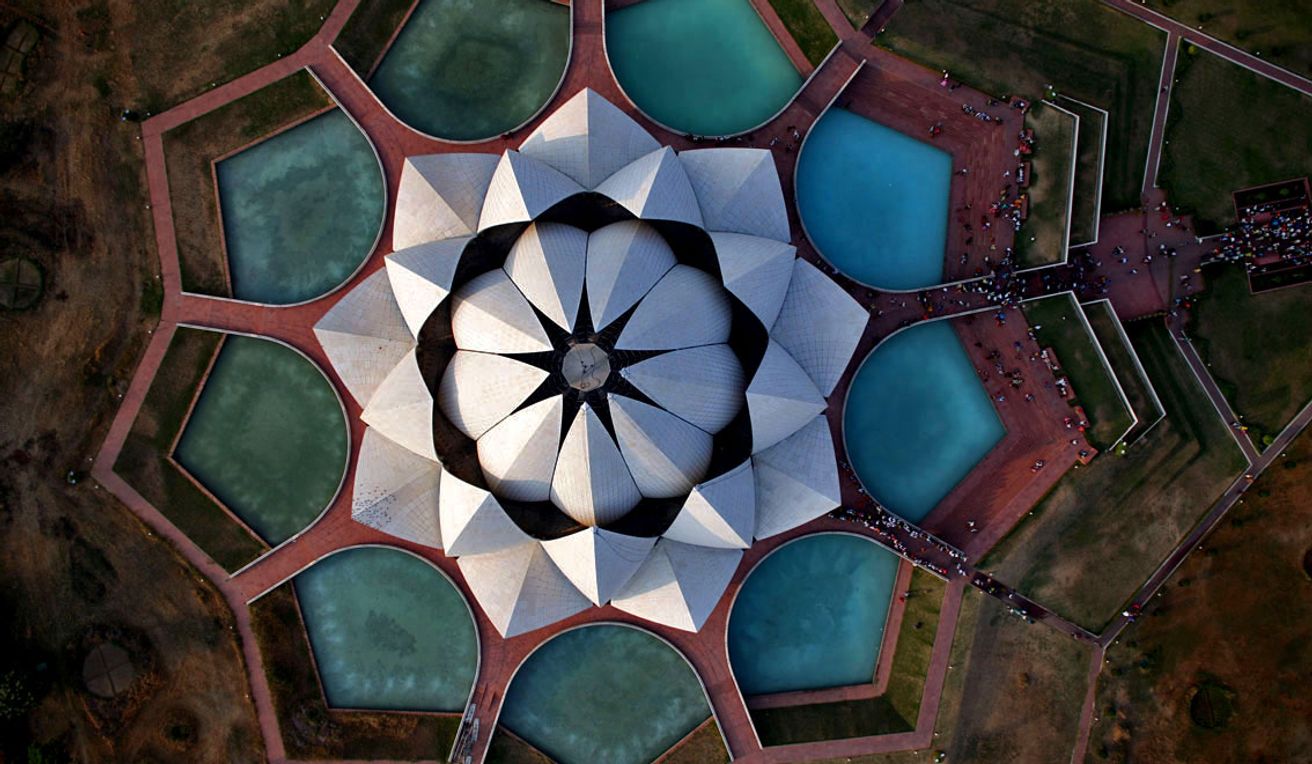
The Lotus Temple in Delhi is one of the city’s most iconic architectural and spiritual landmarks, admired for its striking design and message of unity. Located in South Delhi, near Kalkaji, the temple was completed in 1986 and serves as a Bahá’í House of Worship. Shaped like a blooming lotus flower, the structure symbolizes purity, peace, and harmony—values deeply rooted in Indian culture.
Designed by Iranian architect Fariborz Sahba, the Lotus Temple is composed of 27 white marble “petals” arranged in clusters, forming a symmetrical and visually captivating form. Surrounded by lush green lawns and tranquil pools, the temple offers a serene atmosphere that contrasts beautifully with the bustling city around it. Its unique design has earned numerous architectural awards and has made it one of the most visited buildings in the world.
What sets the Lotus Temple apart is its inclusive spiritual philosophy. The temple is open to people of all religions, beliefs, and backgrounds. There are no idols, rituals, or sermons inside; instead, visitors are encouraged to sit in silence, meditate, or pray according to their own faith. This emphasis on quiet reflection and universal worship makes the Lotus Temple a powerful symbol of global unity and peaceful coexistence.
Beyond its spiritual significance, the Lotus Temple is also an important cultural and tourist attraction in Delhi. Visitors from across the globe come to admire its architecture, enjoy the calm surroundings, and learn about the principles of the Bahá’í Faith. Informational centers on the premises provide insights into the faith’s teachings of equality, oneness of humanity, and harmony between science and religion.
Easily accessible by road and metro, the Lotus Temple is a must-visit destination for anyone seeking architectural beauty, spiritual calm, and a meaningful cultural experience in the heart of New Delhi.
Designed by Iranian architect Fariborz Sahba, the Lotus Temple is composed of 27 white marble “petals” arranged in clusters, forming a symmetrical and visually captivating form. Surrounded by lush green lawns and tranquil pools, the temple offers a serene atmosphere that contrasts beautifully with the bustling city around it. Its unique design has earned numerous architectural awards and has made it one of the most visited buildings in the world.
What sets the Lotus Temple apart is its inclusive spiritual philosophy. The temple is open to people of all religions, beliefs, and backgrounds. There are no idols, rituals, or sermons inside; instead, visitors are encouraged to sit in silence, meditate, or pray according to their own faith. This emphasis on quiet reflection and universal worship makes the Lotus Temple a powerful symbol of global unity and peaceful coexistence.
Beyond its spiritual significance, the Lotus Temple is also an important cultural and tourist attraction in Delhi. Visitors from across the globe come to admire its architecture, enjoy the calm surroundings, and learn about the principles of the Bahá’í Faith. Informational centers on the premises provide insights into the faith’s teachings of equality, oneness of humanity, and harmony between science and religion.
Easily accessible by road and metro, the Lotus Temple is a must-visit destination for anyone seeking architectural beauty, spiritual calm, and a meaningful cultural experience in the heart of New Delhi.