Majnu ka Tila
New Delhi • Union Territory (UT) • India
🏆 Ranked #151 among top destinations
“Delhi's Vibrant Heart of Tibet.”
Overview
Gallery
Historical Foundations
The name "Majnu ka Tila" literally translates to "The Hillock of Majnu". Its origins date back to the 15th century during the reign of Sultan Sikandar Lodi, centering on an Iranian Sufi mystic named Abdulla.
- The Legend of Majnu: Abdulla earned the nickname "Majnu" (the crazy one) due to his intense, trance-like devotion to God. He lived on a small mound by the river and ferried people across the Yamuna for free as a service to humanity.
- The Sikh Connection: In July 1505, Guru Nanak Dev Ji, the founder of Sikhism, met Majnu during his travels. Impressed by the hermit's selfless service, the Guru stayed with him for several weeks. Later, the sixth Sikh Guru, Guru Har Gobind, also stayed at this site.
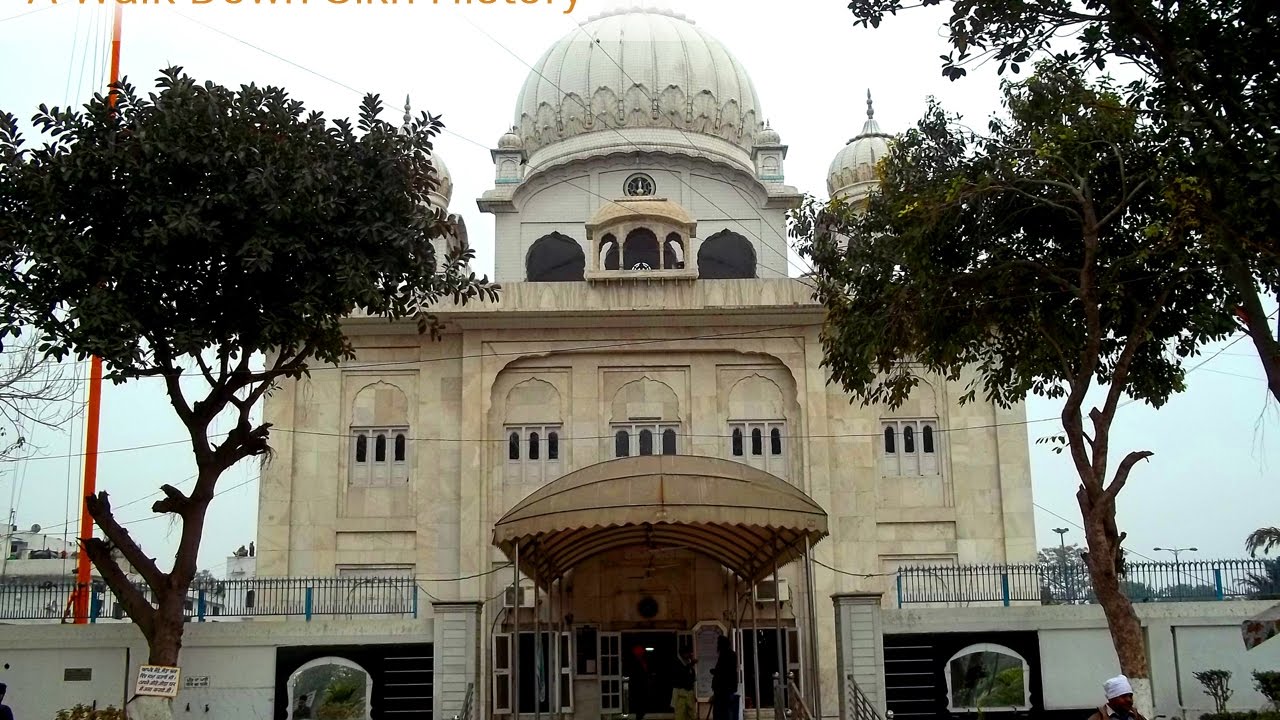
- The Gurudwara: To commemorate these visits, the Sikh military leader Baghel Singh Dhaliwal built the Majnu ka Tila Gurudwara in 1783. It remains one of Delhi's oldest Sikh shrines, with white marble structures expanded later by Maharaja Ranjit Singh.
The Birth of "Mini Tibet"
The modern identity of Majnu ka Tila as a Tibetan enclave emerged in the mid-20th century.
- 1959-1960: Following the Tibetan Uprising and the 14th Dalai Lama's flight to India, the Government of India allotted land on the Yamuna riverbed to accommodate Tibetan refugees.
- Expansion: After the 1962 Sino-Indian War, more refugees who had temporarily settled near the border moved to this colony, transforming it into a permanent settlement officially named New Aruna Nagar or Samyeling.
- Contemporary Life: Today, the colony is home to over 3,500 families, many of whom are second- or third-generation refugees. It remains a center for political and cultural expression for the Tibetan community in exile.
Shopping and Fashion
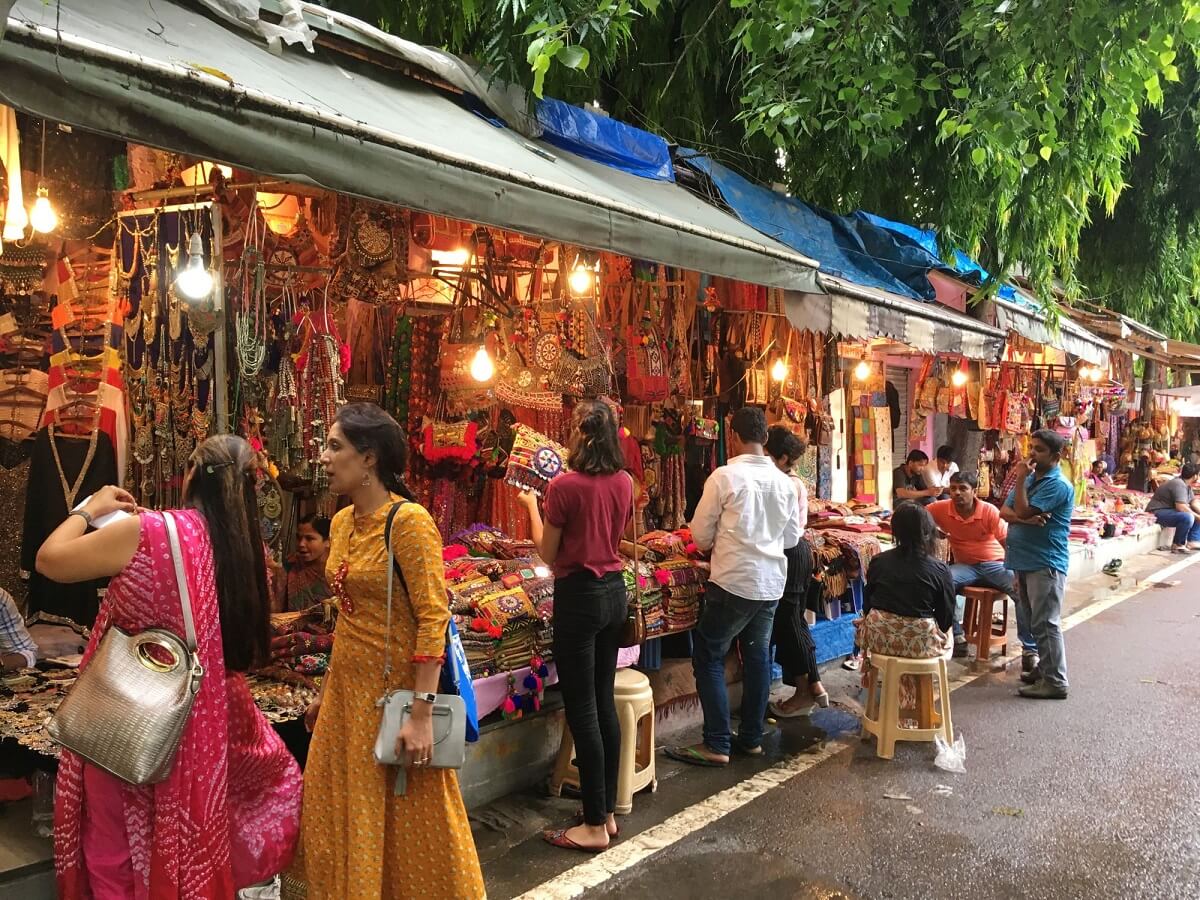
The market is a favorite for students and fashionistas looking for unique, budget-friendly finds.
- Apparel: Numerous boutiques sell trendy streetwear, oversized hoodies, and first-copy sneaker brands.
- Handicrafts: Visitors can find authentic Tibetan artifacts, including Thangka paintings (which can range from ₹10,000 to over ₹10 lakh for gold-leaf versions), prayer flags, singing bowls, and silver jewelry.
Location Map
Culture and Spirituality
The narrow, winding lanes of MKT are a sensory journey, filled with the aroma of incense and the sound of Buddhist chants.
- The Buddhist Monastery: Established in 1963, the monastery at the heart of the colony is adorned with vibrant murals, intricate sculptures of deities, and rows of golden prayer wheels.
- Festivals: The colony comes alive during Losar (Tibetan New Year), Saka Dawa, and the birthday of the Dalai Lama, featuring traditional dances and community rituals.
A Gastronomic Hub
Majnu ka Tila is one of Delhi's premier destinations for authentic East Asian and Himalayan cuisine.
-
Must-Try Dishes:
- Laphing: A spicy, cold mung bean noodle street food, available at numerous small stalls.
- Momos & Thukpa: Iconic Tibetan dumplings and noodle soups served at legendary spots like Dolma House and Rigo Restaurant.
- Specialties: Shapta (stir-fried meat), Thentuk (flat noodle soup), and Tingmo (steamed fermented bread).
- Iconic Cafes: Ama Cafe is a cult favorite known for its Himalayan breakfast, mud cake, and cozy atmosphere, while Kham Coffee House offers a quieter retreat for students.
- Global Flavors: The area has expanded to include high-quality Korean (e.g., Busan Korean Restaurant) and Vietnamese (e.g., Pho King) eateries.
Visitor Information
- Getting There: The nearest metro station is Vidhan Sabha (Yellow Line). From there, it is a short 10-minute e-rickshaw ride.
- Best Time to Visit: October to March is ideal for pleasant weather. Evenings are the most vibrant, though mornings are better for peaceful monastery visits.
- Nearby Attractions: The Signature Bridge, which offers panoramic views of the river, is located just 880 meters away.